


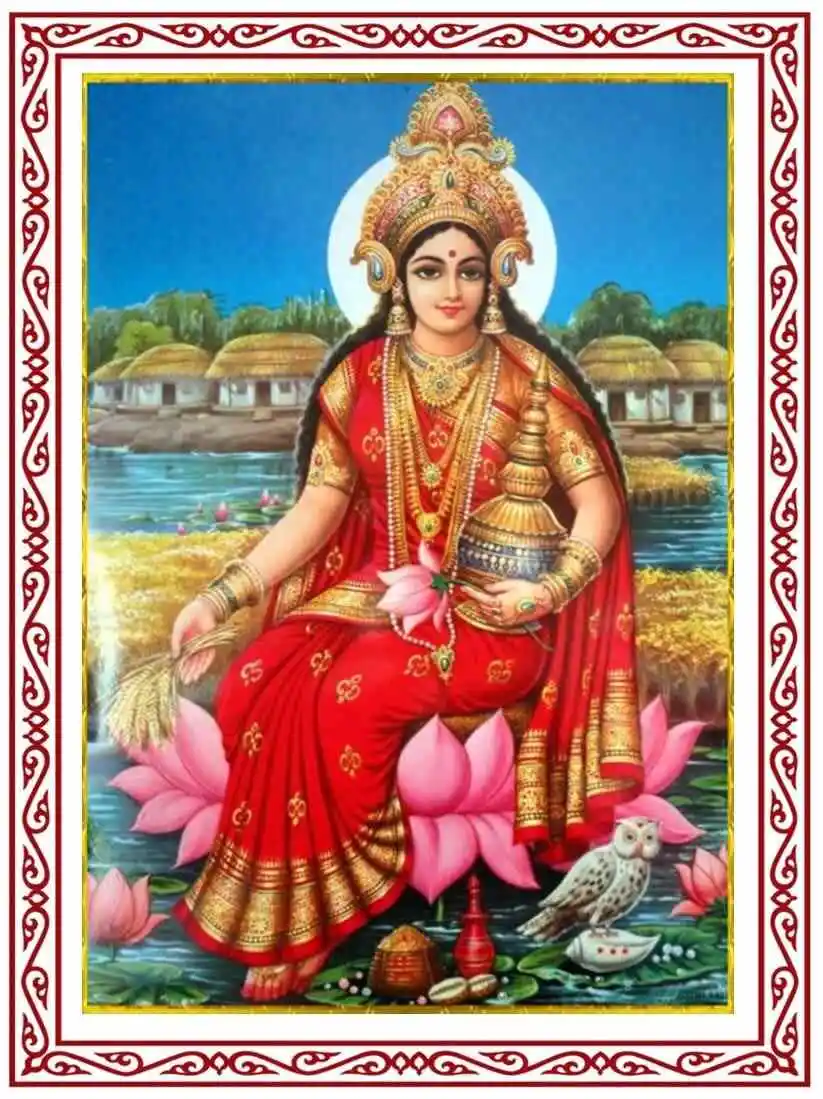
Kojagari Lakshmi Puja, celebrated on the full moon night of Ashwin (Sharad Purnima), holds a special place in Bengali households. This auspicious occasion honors Goddess Lakshmi, the deity of wealth and prosperity, and is observed with devotion and meticulous rituals. Rooted in ancient scriptures and enriched by regional customs, the puja is a blend of spiritual reverence and cultural heritage.
Scriptural Foundations
The worship of Goddess Lakshmi is deeply embedded in Hindu scriptures. The Śrī-sūkta, a revered hymn from the Rigveda, praises Goddess Śrī (Lakshmi) for her grace, fortune, and auspiciousness. The Purāṇas further elaborate on her divine attributes and the significance of her worship. These texts emphasize the importance of cleanliness, light, and offerings in inviting the goddess’s blessings into one’s home.
Rituals of Kojagari Lakshmi Puja
1. Preparation and Cleanliness
The day begins with thorough cleaning of the home. Goddess Lakshmi is believed to reside in clean and well-maintained spaces. This practice aligns with the scriptural emphasis on purity and cleanliness as prerequisites for divine blessings.
2. Decoration and Lighting
Entrances are adorned with alpana (traditional floor art) made from rice flour, and diyas (oil lamps) are lit to illuminate the surroundings. This act symbolizes the dispelling of darkness and the welcoming of light, both literally and metaphorically.
3. Kalash Sthapana
A kalash (sacred pot) is placed at the entrance or near the altar, symbolizing abundance. It is filled with water, topped with a coconut, and adorned with mango leaves. This ritual is a common practice in various Hindu traditions, signifying the presence of divine energy.
4. Puja and Offerings
The main puja involves invoking Goddess Lakshmi and offering her favorite items:
- Bhog (offerings): Includes naru (sweet coconut balls), khichuri (rice and lentil dish), luchi (fried bread), payesh (rice pudding), sweets, and betel leaves. These offerings are prepared with devotion and are believed to please the goddess.
- Mantras: Chanting specific mantras dedicated to Goddess Lakshmi is an integral part of the puja. These include the Lakshmi Beej Mantra, Lakshmi Gayatri Mantra, and Mahalakshmi Ashtakshara Mantra. Reciting these mantras is believed to invoke the goddess’s blessings for wealth and prosperity.
5. Vigil and Breaking the Fast
Devotees observe a night vigil, staying awake to honor the goddess. The fast is broken at midnight with the consumption of the prepared bhog, symbolizing the end of the ritual and the acceptance of the goddess’s blessings.
Dos and Don’ts
✅ Dos:
- Cleanliness: Ensure the home is thoroughly cleaned and well-lit.
- Fresh Offerings: Use fresh flowers, fruits, and sweets for the puja.
- Proper Attire: Wear clean and preferably new clothes during the puja.
- Mantra Chanting: Recite the prescribed mantras with devotion and focus.
- Offerings: Present the bhog with sincerity and respect.
❌ Don’ts:
- Avoid Non-Vegetarian Food: Refrain from consuming or offering non-vegetarian food during the puja.
- No Leather Items: Do not use leather items in the puja rituals.
- Loud Noises: Avoid loud noises and disturbances during the puja.
- Unclean Utensils: Ensure all utensils used are clean and free from impurities.
Scriptural Alignment
The rituals of Kojagari Lakshmi Puja are in harmony with the teachings of the Śrī-sūkta and the Purāṇas. The emphasis on cleanliness, light, and offerings reflects the scriptural guidelines for inviting divine blessings. The practice of staying awake during the night vigil aligns with the belief that Goddess Lakshmi visits homes during the night and blesses those who are awake and devoted.
